Hydrostatic release units for life rafts
Automatic life-raft release devices
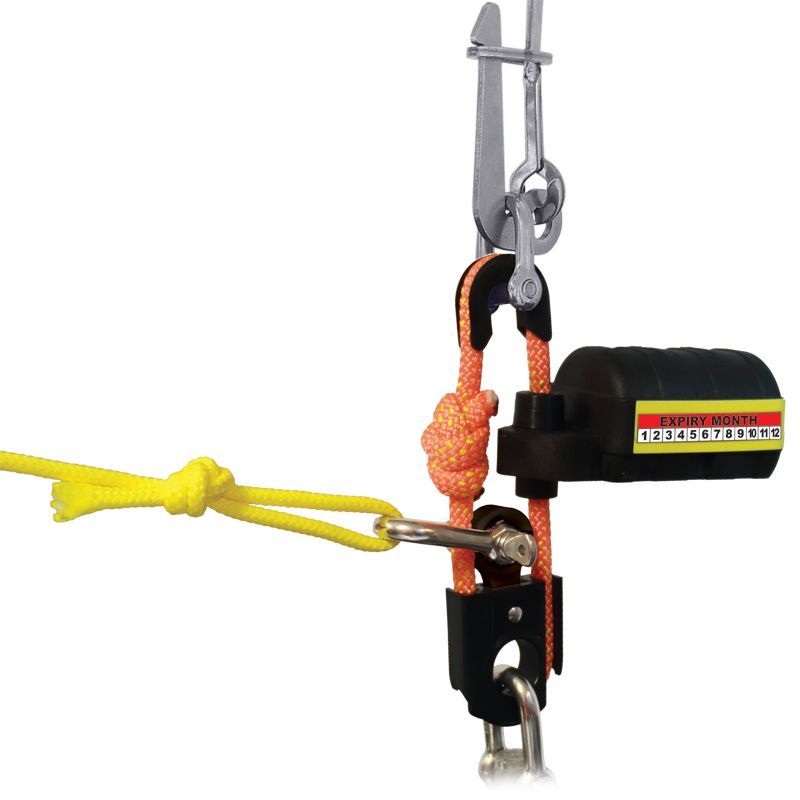
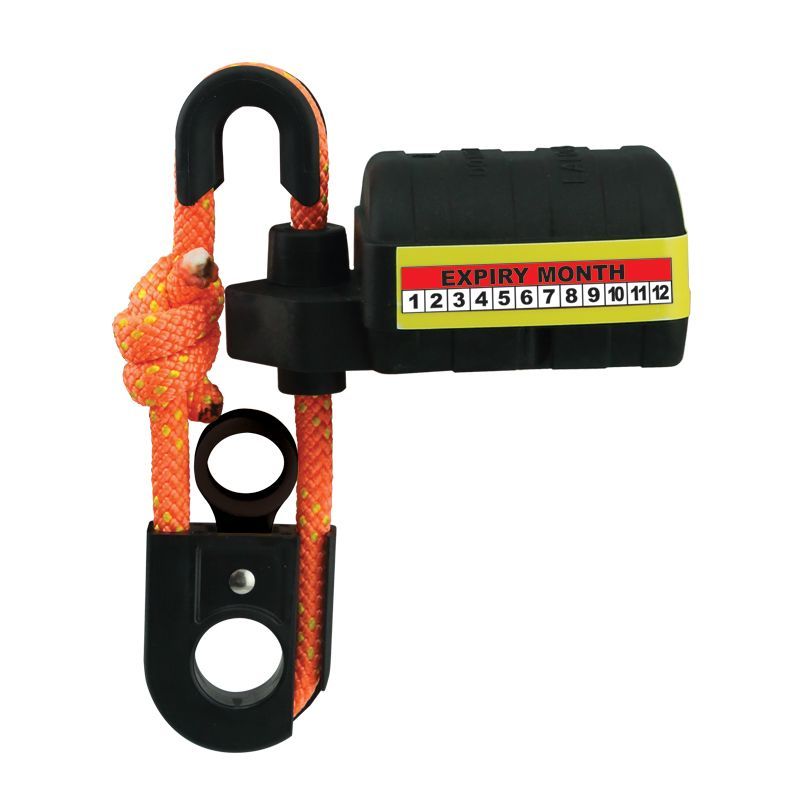
H Hydrostatic release units are safety devices used to automatically release life rafts when a vessel sinks and manual intervention is not possible. Versilia Marine Service supplies hydrostatic actuators for onboard equipment, with solutions from Hammar, Lalizas and Thanner. The device is connected to the raft's restraint system and uses water pressure to activate the release mechanism at the depth specified by the manufacturer. This allows the raft to separate from its support and reach the surface according to the configuration of the installed system. The choice of hydrostatic release units must therefore take into account the type of raft, the securing system and the required technical specifications. Each component must be compatible with the other items of equipment so that it integrates correctly into the vessel's safety system. Proper matching of the actuator, raft and restraint system is particularly important when replacing a device already installed on board, as dimensions, connections and operating specifications may vary from one model to another.
Hammar, Lalizas and Thanner hydrostatic releases
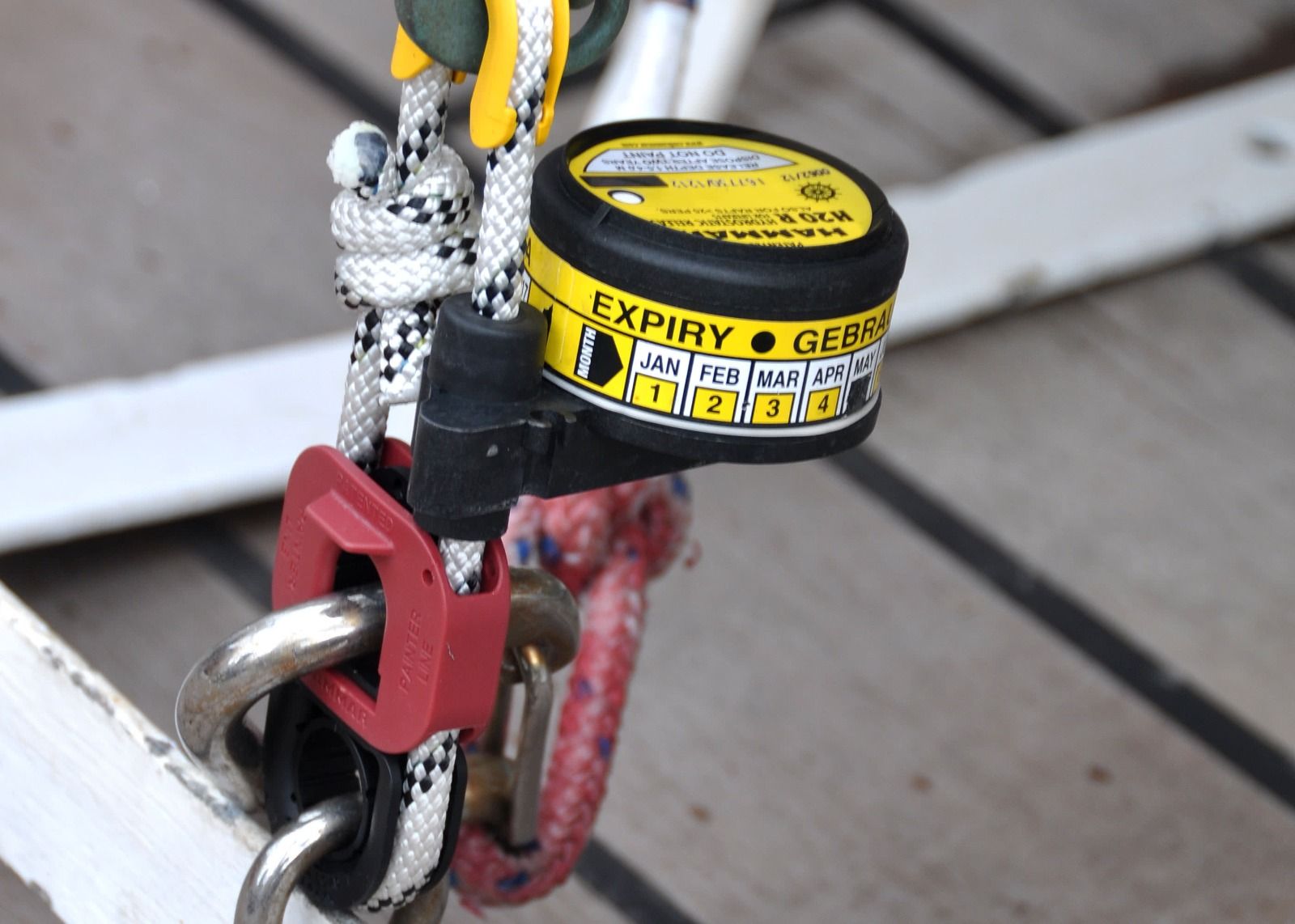
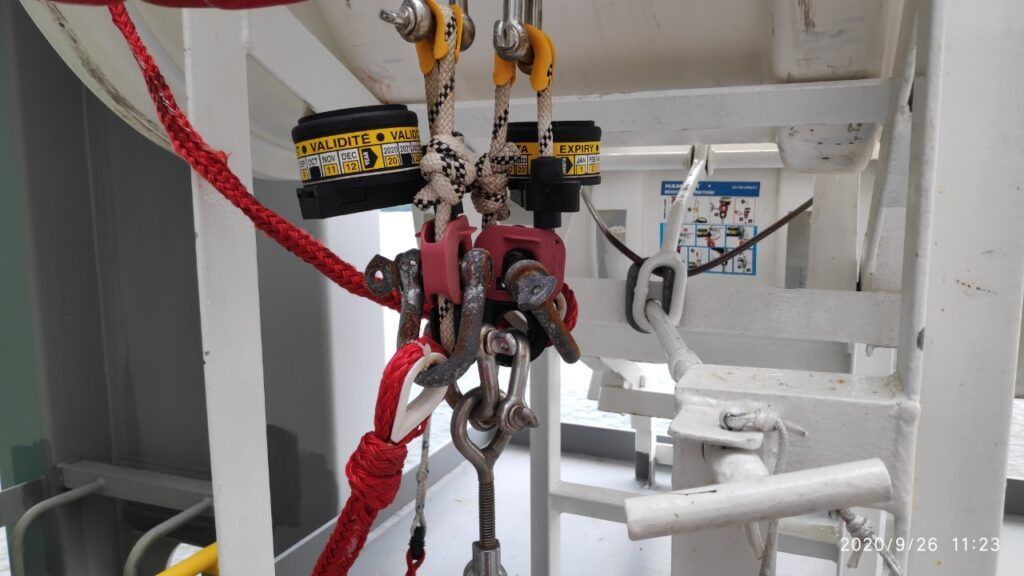
Versilia Marine Service offers hydrostatic release units from Hammar, Lalizas and Thanner, with different features depending on the model and intended use. For example, some Lalizas devices for life rafts are designed to activate through hydrostatic pressure at a depth of between 1.5 and 4 metres, while Hammar specifications vary according to the version. Service life also varies by product: it is therefore incorrect to assign the same expiry date to all hydrostatic release hooks Some models must be replaced entirely at the end of the period specified by the manufacturer and do not require periodic maintenance. During inspection, it is important to check the marking on the device, the installation or manufacture date and the relevant technical documentation. Replacement must be scheduled before expiry, ensuring that the new actuator is compatible with the life raft and onboard restraint system. This check also allows safety equipment to be managed correctly, avoiding replacements based solely on the component's outward appearance, which does not indicate technical compatibility.
Supply and replacement of hydrostatic release units
Before requesting a new device, it is useful to identify the raft’s make and model, the type of actuator already installed, the expiry date and the mounting configuration. This information helps identify the most suitable replacement and avoid using components that are incompatible with the existing system. Versilia Marine Service complements its supply of hydrostatic releases with its work in the marine safety and lifesaving equipment sector, helping identify the solution suited to the vessel’s characteristics. Although compact, the hydrostatic actuator performs a specific function in the raft release system and requires care when selecting it and managing its expiry date. Carefully checking the technical data makes it possible to replace the device with a compatible model that is properly integrated into the onboard equipment. Checking in advance also makes replacement more organised and informed.



Contact us for information on supplying and replacing hydrostatic releases suitable for your liferaft.
Frequently asked questions
What is a hydrostatic release unit used for?
The device enables the automatic release of the liferaft when the vessel sinks, using water pressure to activate the mechanism built into the system.
At what depth does a hydrostatic device activate?
The depth depends on the model. Some Lalizas liferaft units, for example, are designed to activate between 1.5 and 4 metres. Always check the specifications of the individual product.
Do hydrostatic releases have an expiry date?
Yes. Service life varies by manufacturer and model. The date marked on the device and the technical documentation must be checked to schedule replacement correctly.
How do I choose the right hydrostatic release unit for a liferaft?
The raft’s make and model, securing system, actuator specifications and the requirements applicable to the vessel must all be considered. Compatibility must be checked against the manufacturer’s technical documentation.